Conditions & Treatment
The Digital Medicine Difference: Study Confirms Improved Blood Pressure Control, Reduced Care Gaps
April 13, 2026
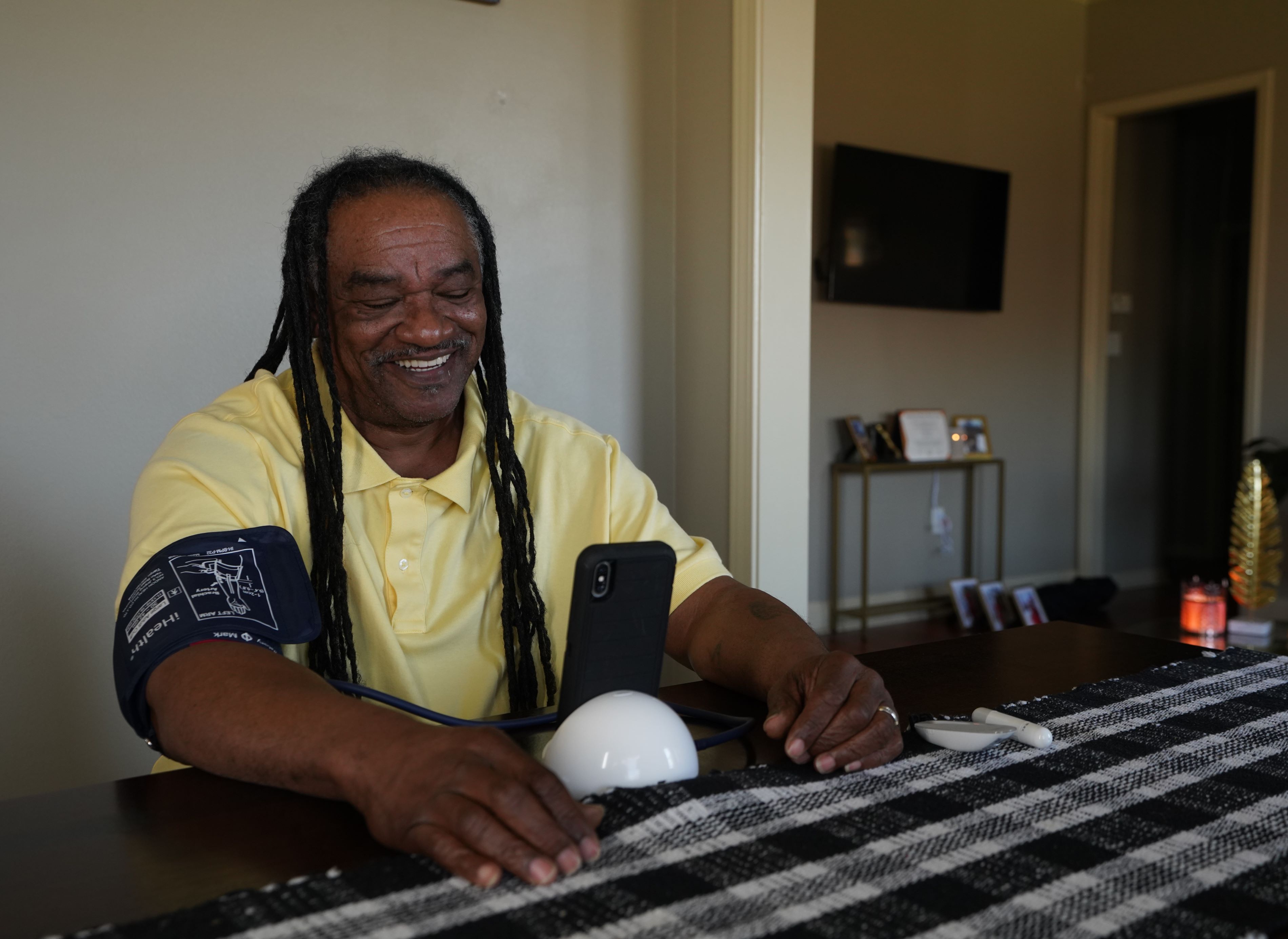
A new, large-scale study confirms what we at Ochsner have observed for quite some time: Ochsner Digital Medicine is a scalable solution that effectively manages hypertension.
For health systems, health plans and self-funded employers seeking a proven model to close gaps in care, improve outcomes and lower costs within their population, these findings—adding to a wealth of research on Digital Medicine—offer a clear path forward.
The peer-reviewed study, published in the Journal of General Internal Medicine, provides strong evidence that our approach works. Here are the key findings on patients enrolled in the program:
o Proven blood pressure control: Authors observed a statistically significant decline in systolic blood pressure across all participants.
o Reduced acute care utilization: There were significant reductions in high-cost care utilization, as emergency department and in-patient visits dropped.
o Improved medication adherence: Members demonstrated higher rates of medication adherence at all analyzed timepoints (6, 12 and 18 months).
High blood pressure is among the most significant healthcare challenges in the United States. Nearly half of all adults have the condition, and 86 percent of all healthcare spending is traceable to cardiometabolic conditions like hypertension. High blood pressure is a primary driver of heart failure and stroke, leading to astronomical healthcare costs and workforce productivity loss.
Traditional care models often struggle to provide the consistent monitoring, evidence-based care, timely interventions and continued support that patients need to manage their condition effectively. This results in care gaps, poor outcomes and widening health disparities.
The healthcare system needs a new approach.
The Study and Our Care Model
The study authors analyzed outcomes among more than 5,000 Medicare patients with hypertension over 18 months. Researchers compared thousands of patients enrolled in Ochsner Digital Medicine with similar patients receiving traditional care.
The Digital Medicine model uses a digital blood pressure cuff and phone app to submit readings to the patient’s care team, led by an assigned clinician who monitors readings and manages medications. The team also includes health coaches who worked with patients on behavioral and lifestyles changes.
Participants in the program achieved better blood pressure control than those in the traditional care group. Beyond BP control, the program demonstrated a significant reduction in costly, acute care utilization, including both emergency department and inpatient visits. Concurrently, primary care costs remained stable, signaling a shift from reactive, episodic care to preventive, managed care.
These benefits were observed across diverse care settings and populations, demonstrating Digital Medicine’s commitment to health equity and closing care gaps.
From baseline to 8 months in the program:
• BP control increased from 57.1% to 76.1% for Black Patients and 61.3% to 77.7% for White patients.
Scaling this program could lead to a measurable reduction in life-altering cardiovascular events. Beyond the numbers, it represents a powerful opportunity to improve population health and lower the total cost of care.
Why This Matters for Health Systems, Health Plans & Employers
These study results have real-world impact for organizations focused on population health, cost containment and member well-being. The significant clinical gains position Digital Medicine as a vital tool for value-based care initiatives.
Partnering with Digital Medicine turns better blood pressure control for your members into a measurable return on your investment. Across our member population, we see a 38% decrease in ER visits and a 27% reduction in hospitalization rates and an average savings of $2,200 per enrolled member per year. This directly leads to cost savings for your organization.
Further, sticking to evidence-based treatment is necessary to manage cardiometabolic conditions like hypertension and slow disease progression. Our remote, clinician-led model is a key advantage. Licensed clinicians manage medications (including changes to drug, dose and frequency) in collaboration with physicians—all visible to the PCP to prevent care continuum disruption. For health systems this means we free up primary care providers to focus on more complex clinical issues while improving access.
For employers, these health improvements also lead to reduced absenteeism and enhanced workforce productivity.
Member Experience and Engagement
Digital Medicine delivers outstanding member satisfaction, with a Net Promoter Score consistently hovering in the 80s, a “world-class” rating, and an attrition rate of less than 2%.
Member testimonials communicate that those is the program feel better, have more energy and enjoy improved quality of life. They feel supported by the care team and invested in their own treatment plan. As a result, we see high levels of patient engagement with an average of two readings submitted per week—resulting in 26 more blood pressure readings and 78 more blood sugar readings recording annually vs. the standard of care.
Let’s Partner for Better Health
The bottom line is Digital Medicine’s approach helps more patients control their blood pressure, stick to their medications, and avoid ED visits and hospitalizations —making it a promising way to manage hypertension at scale. So how can we help you manage your bottom line?
While this study focused on hypertension, our proven model also supports members with other cardiometabolic conditions, including Type 2 diabetes, high cholesterol, obesity, chronic kidney disease and heart failure. If you are ready to explore how our program can support your members and strengthen your organization, we are here to help.
Read the study here.

Digital Medicine for Caregivers
Help your loved one manage cardiometabolic conditions with remote care through Ochsner Digital Medicine.